
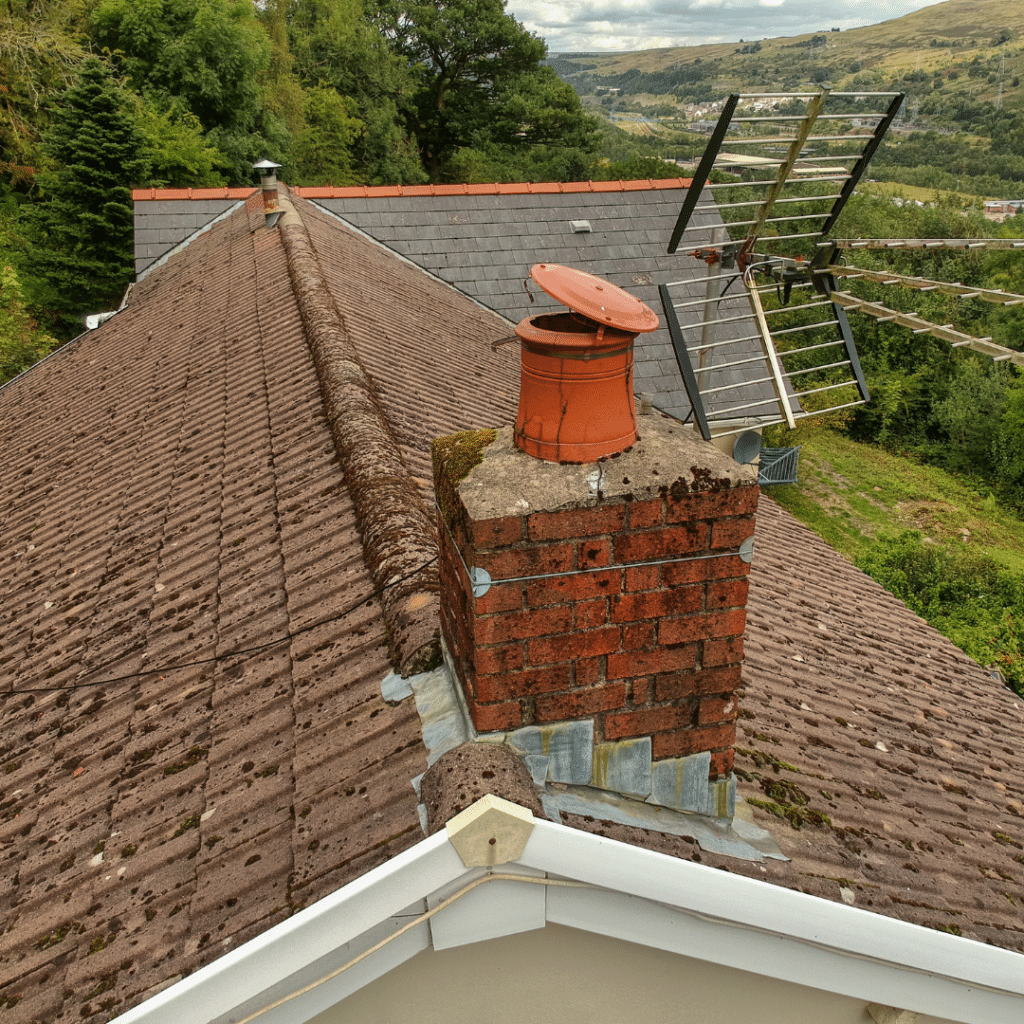
Chimney Caps vs. Chase Covers: What Asheville Homeowners Need to Know
Many homeowners are unsure about the difference between a chimney cap and a chase cover. While the two components are often confused, they serve different purposes and are used on different types of chimney systems.
Understanding the difference between a chimney cap and a chase cover can help Asheville homeowners spot problems early, prevent water damage, and protect the life of their chimney system.
If your chimney is missing either one, or if one has become damaged, it can lead to leaks, rust, animal entry, and costly repairs.
What Is the Difference Between a Chimney Cap and a Chase Cover?
A chimney cap and a chase cover are both protective components installed at the top of a chimney system, but they are not the same thing.
- Chimney cap: Covers the top of the flue opening and helps keep out rain, animals, and debris.
- Chase cover: Covers the top of a prefabricated or factory-built chimney chase and sheds water away from the structure.
In simple terms, the chase cover protects the entire top of the chimney chase, while the chimney cap protects the flue opening itself.
What Is a Chase Cover?
A chase cover is a metal covering installed at the top of a prefabricated or factory-built chimney system. It sits over the chimney chase, which is the framed enclosure that surrounds the metal chimney pipe.
Chase covers are commonly used on chimneys with wood, vinyl, or metal siding. Their job is to seal off the top of the chase and direct water away from the chimney structure.
In many ways, a chase cover serves a similar purpose for a prefabricated chimney that a chimney crown serves for a masonry chimney.
What a Chase Cover Does
- Helps prevent rainwater from entering the chimney chase
- Protects framing and interior components from moisture damage
- Helps reduce rust and corrosion inside the chimney system
- Directs water away from the top of the chase
When a chase cover is properly installed, it should have enough slope to shed water efficiently rather than letting it pool on top.
Common Problems With a Chase Cover
- Improper installation: A poorly installed chase cover can allow water to flow directly into the chimney system.
- Flat or poorly sloped design: If the cover is too flat, water can pool on top and eventually lead to rust, leaks, and staining.
- Rust and corrosion: Low-quality or aging chase covers can rust through over time.
- Missing chimney cap: Even with a chase cover in place, water can still enter through the flue if there is no chimney cap installed.
If left unaddressed, a damaged chase cover can lead to water intrusion, deterioration of chimney components, and damage to nearby materials.
What Is a Chimney Cap?
A chimney cap is installed at the top of the flue opening. It is designed to keep rain, debris, animals, and downdrafts out of the chimney while also helping prevent sparks and embers from escaping.
On masonry chimneys, the chimney cap is typically installed on top of the chimney crown. On prefabricated chimney systems, the chimney cap is installed above the chase cover at the flue opening.
What a Chimney Cap Does
- Helps keep rain out of the flue
- Prevents birds, squirrels, and other animals from entering the chimney
- Helps block leaves and debris
- Reduces the risk of stray sparks escaping the chimney
- Can help reduce downdrafts in some situations
Common Problems With a Chimney Cap
- No chimney cap installed: Some older chimneys were built without one, leaving the flue exposed to water and wildlife.
- Damaged or loose chimney cap: Storms, wind, and animal activity can loosen or damage the cap over time.
- Improper installation: A poorly installed chimney cap may not fully protect the flue opening.
- Rust or corrosion: Low-quality metal caps can deteriorate and fail over time.
Without a properly functioning chimney cap, water can enter the flue and cause damage that may not be visible until performance drops or interior damage appears.
Chimney Crown vs. Chase Cover
Homeowners also often confuse chimney crowns and chase covers. While they perform a similar function, they are used on different chimney systems.
- Chimney crown: A concrete or mortar surface found on top of a masonry chimney
- Chase cover: A metal covering used on a prefabricated or factory-built chimney chase
Both are designed to help keep water from entering the chimney structure, but they are not interchangeable.
Why Water Protection Matters
Water is one of the most damaging forces affecting chimney systems. Whether you have a masonry chimney or a prefabricated fireplace, moisture intrusion can lead to serious problems over time.
- Rust and corrosion of metal chimney parts
- Deterioration of masonry materials
- Damage to chimney liners and firebox components
- Leaks inside the home
- Reduced chimney performance and safety
For Asheville-area homeowners, protecting the chimney from heavy rain, seasonal storms, and temperature swings is an important part of long-term chimney maintenance.
How to Tell if You May Have a Chimney Cap or Chase Cover Problem
You may need a chimney inspection if you notice any of the following:
- Rust stains on the outside of the chimney chase
- Water leaks near the fireplace or chimney
- Dripping sounds inside the chimney after rain
- Animal noises or nesting materials in the flue
- A visible missing, damaged, or rusted top component
These signs can indicate a problem with the chimney cap, chase cover, chimney crown, or another part of the chimney system.
Which Type of Chimney Do You Have?
The answer usually depends on whether your chimney is masonry or prefabricated.
- Masonry chimney: Usually has a chimney crown and a chimney cap
- Prefabricated chimney: Usually has a chase cover and a chimney cap
If you are not sure which type of chimney you have, a professional inspection can help identify the system and recommend the proper repairs or replacement parts.
When to Repair or Replace a Chimney Cap or Chase Cover
You should consider repair or replacement if the component is rusted, leaking, loose, missing, or visibly deteriorated. Delaying repairs can allow moisture to continue entering the chimney system and lead to more expensive damage.
In many cases, replacing a damaged chimney cap or chase cover early is much more affordable than repairing the structural or water damage that can happen later.
Why Homeowners in Asheville Trust Emberstone Chimney Solutions
At Emberstone Chimney Solutions, we help homeowners throughout Asheville and surrounding Western North Carolina communities identify chimney leaks, damaged chimney caps, and rusted chase covers before they become larger issues.
If you are seeing signs of water intrusion, rust, or animal entry, our team can inspect your chimney system and recommend the right solution based on the type of fireplace and chimney you have.
Schedule chimney service today →
Frequently Asked Questions About Chimney Caps and Chase Covers
Is a chimney cap the same as a chase cover?
No. A chimney cap covers the flue opening, while a chase cover protects the top of the entire chimney chase on a prefabricated fireplace system.
Do I need both a chimney cap and a chase cover?
If you have a prefabricated chimney system, yes, you typically need both. The chase cover protects the chase, and the chimney cap protects the flue opening.
Can a damaged chase cover cause a leak?
Yes. A rusted, flat, or improperly installed chase cover can allow water to enter the chimney chase and cause hidden damage over time.
What happens if I do not have a chimney cap?
Without a chimney cap, rain, debris, and animals can enter the flue. This can lead to moisture damage, blockages, odors, and reduced chimney performance.
How often should chimney caps and chase covers be inspected?
They should be checked during annual chimney inspections and any time you notice signs of rust, leaks, or animal activity.
This article is for informational purposes only. If you suspect chimney damage or a leak, it is best to schedule a professional inspection.