
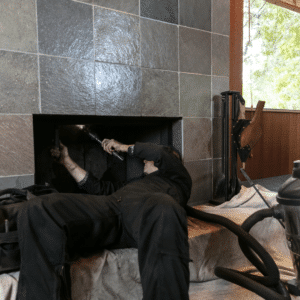
Maintaining a properly functioning furnace is essential for the comfort and safety of your home. Regular furnace cleaning is a crucial aspect of furnace maintenance, ensuring your heating system operates efficiently and safely. However, knowing when to schedule a furnace cleaning can be a bit tricky, and neglecting this task can lead to various problems. In this blog post, we’ll explore the signs and recommendations for scheduling a furnace cleaning to keep your home warm and cozy during the colder months.
1. Annual Maintenance: The General Rule
A good rule of thumb for furnace cleaning is to schedule it annually. Annual maintenance helps prevent potential issues, enhances efficiency, and extends the lifespan of your furnace. Typically, the best time to schedule this maintenance is before the cold season begins. It ensures your furnace is ready to provide reliable heat when you need it the most.
2. Abnormal Sounds and Odors
Unusual sounds or odors emanating from your furnace can be a clear indication that it needs cleaning. Squealing, banging, or grinding noises may suggest that certain components are wearing out or becoming loose. Odd smells, especially those resembling burning or musty odors, could indicate dust, debris, or mold within the furnace.
3. Reduced Efficiency and Higher Utility Bills
If you notice a sudden increase in your heating bills without a corresponding change in usage, your furnace might be working harder than usual due to dirt and debris buildup. A clean furnace operates efficiently, consuming less energy and saving you money on utility bills. If you suspect reduced efficiency, it’s a good time to schedule a cleaning.
4. Uneven Heating Throughout the House
Inconsistent heating throughout your home could be a sign of a dirty furnace. When the furnace is clogged with dirt or debris, it struggles to distribute heat evenly, resulting in some areas being warmer than others. A thorough cleaning can restore proper airflow and ensure every room in your home receives adequate heating.
5. Visible Soot or Dust Accumulation
Check the visible components of your furnace, such as the vents, for any signs of soot or excessive dust buildup. If you observe black soot or a significant layer of dust, it’s a clear indication that your furnace needs cleaning. Accumulated soot and dust can obstruct airflow and hinder the furnace’s performance.
6. Long Periods of Inactivity
If your furnace has been dormant for an extended period, such as during the warmer months, it’s advisable to schedule a cleaning before restarting it. Dust and debris can accumulate during the idle period, potentially causing issues when you start using the furnace again.
7. Furnace Age
The age of your furnace can also influence how frequently you should schedule a cleaning. Older furnaces may require more frequent cleanings, as they are more prone to dirt and debris buildup. If you have an aging furnace, consider increasing the frequency of cleanings to ensure optimal performance.
8. Professional Inspection and Cleaning
For a comprehensive and effective furnace cleaning, it’s best to hire a professional HVAC technician. They have the expertise and equipment to thoroughly clean and inspect your furnace, identifying any potential issues that may require repair. Professional cleanings can also enhance safety by addressing any safety concerns associated with the furnace.
Conclusion
Regular furnace cleaning is a crucial aspect of furnace maintenance that should not be overlooked. By being proactive and scheduling annual cleanings, addressing abnormal sounds and odors, monitoring efficiency, ensuring even heating, managing periods of inactivity, considering the age of your furnace, and seeking professional assistance, you can maintain a well-functioning furnace and a cozy, warm home. Stay ahead of furnace maintenance to ensure a comfortable living environment and to avoid costly repairs in the long run.